
From Orchards to Outcomes
-
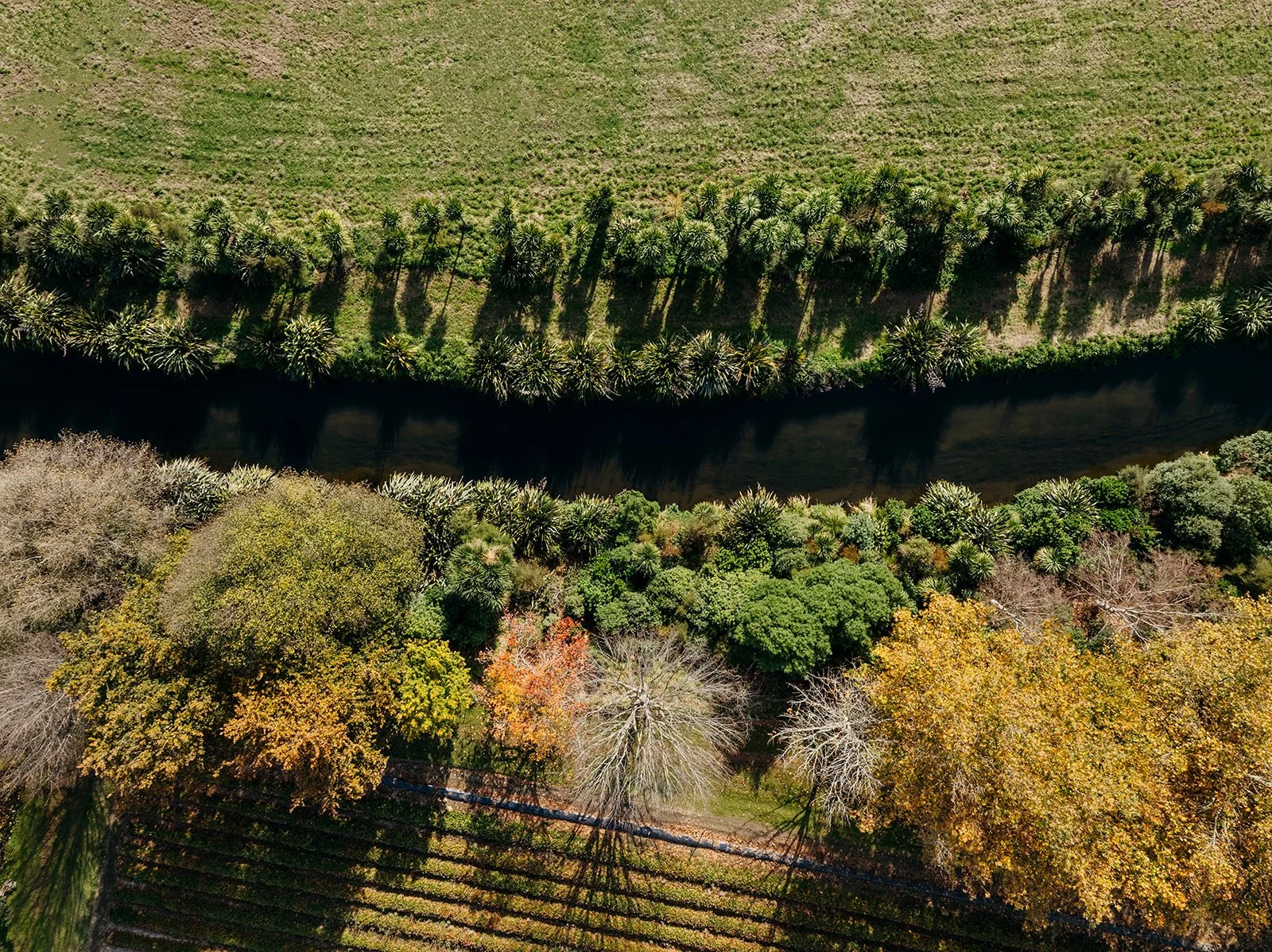
Stock exclusion fencing around waterways and critical source areas (CSAs) is one of the most effective actions farmers can take to improve freshwater outcomes and support healthier ecosystems. However, across the Karamū catchment and wider East Coast landscapes, fencing uptake remains variable.
This project will trial an innovative approach using repurposed vineyard and orchard posts as an alternative fencing material. By giving retired horticultural infrastructure a second life, the project aims to test whether circular economy solutions can reduce the cost of environmental protection while creating practical opportunities for farmers.
The project combines an on farm demonstration with farmer engagement and research to better understand both the practical performance of the fencing system and the challenges farmers face when making fencing decisions.
-
For many farmers, the decision to exclude stock from waterways is not simply a matter of willingness; instead a complex investment decision influenced by cost, practicality, and long term maintenance.
Two barriers are consistently identified: the upfront capital cost of fencing and concerns about fence durability and failure in flood prone landscapes.
At the same time, farmers are operating within finite budgets for environmental improvements. Reducing the cost of infrastructure could mean more capacity to invest in other important actions, such as planting, weed control, and wider biodiversity improvements.
There is an opportunity to better understand these barriers and test whether affordable recycled materials can help make environmental improvements more achievable.
-
Healthy waterways are a sign of resilient landscapes. Excluding stock from waterways and critical source areas reduces direct impacts from grazing animals, helping improve water quality, protect aquatic ecosystems, and support biodiversity.
Achieving landscape scale change requires solutions that work for the people managing the land. Farmers are more likely to adopt environmental practices when they are practical, affordable, and suited to their operating realities.
This project is about finding ways to remove barriers rather than simply identifying problems. By exploring lower cost fencing options and understanding farmer experiences, the project aims to support greater uptake of proven environmental practices across productive landscapes.
If successful, the approach could provide a scalable model for other catchments facing similar challenges, helping communities achieve greater environmental outcomes with limited resources.
-
This project aims to test whether repurposed vineyard and orchard posts can provide a practical, lower-cost alternative for stock exclusion fencing around waterways and critical source areas.
The first stage involves installing a demonstration fencing system at selected farm sites using recycled horticultural posts. The trial will compare this approach against conventional fencing systems by measuring:
cost per metre installed
material inputs
labour requirements
installation time
maintenance needs and durability over time
Alongside the physical trial, KRCC will undertake farmer engagement across the catchment to better understand the barriers and opportunities influencing fencing decisions. This will include surveys and targeted conversations with farmers to capture practical experiences, perceived challenges, and potential solutions.
By combining field data with farmer insights, the project will provide a stronger understanding of both the economics and practicality of stock exclusion fencing adoption.
-
Success looks like a fencing solution that makes environmental improvements more achievable for farmers while delivering measurable benefits for freshwater and biodiversity.
It looks like clear evidence showing whether repurposed horticultural materials can provide affordable and scalable alternative to conventional fencing systems.
It also looks like a better understanding of farmer experiences and identifying what support, tools, and approaches can help increase adoption of stock exclusion practices across the catchment.
Ultimately, success is a practical, farmer-led model that can be shared beyond the Karamū catchment, helping other rural communities overcome similar barriers and accelerate freshwater and nature-based outcomes across the landscape.
By combining innovation, research, and collaboration, this project aims to demonstrate that environmental progress is possible when solutions are designed alongside the people delivering them.
-
This project is funded by the Karamū River Catchment Collective, with support from the Ministry for Primary Industries.