
Guardians of the Karamū
-
Healthy wetlands are more than places where plants grow. They are living ecosystems that support native birds, insects, freshwater species, and the wider health of our catchments.
Across the Karamū catchment, restoration efforts are helping protect and enhance these important environments. Introduced predators such as rats, stoats, and possums continue to threaten native species by preying on birds, eggs, and insects, reducing biodiversity and limiting the ability of ecosystems to recover.
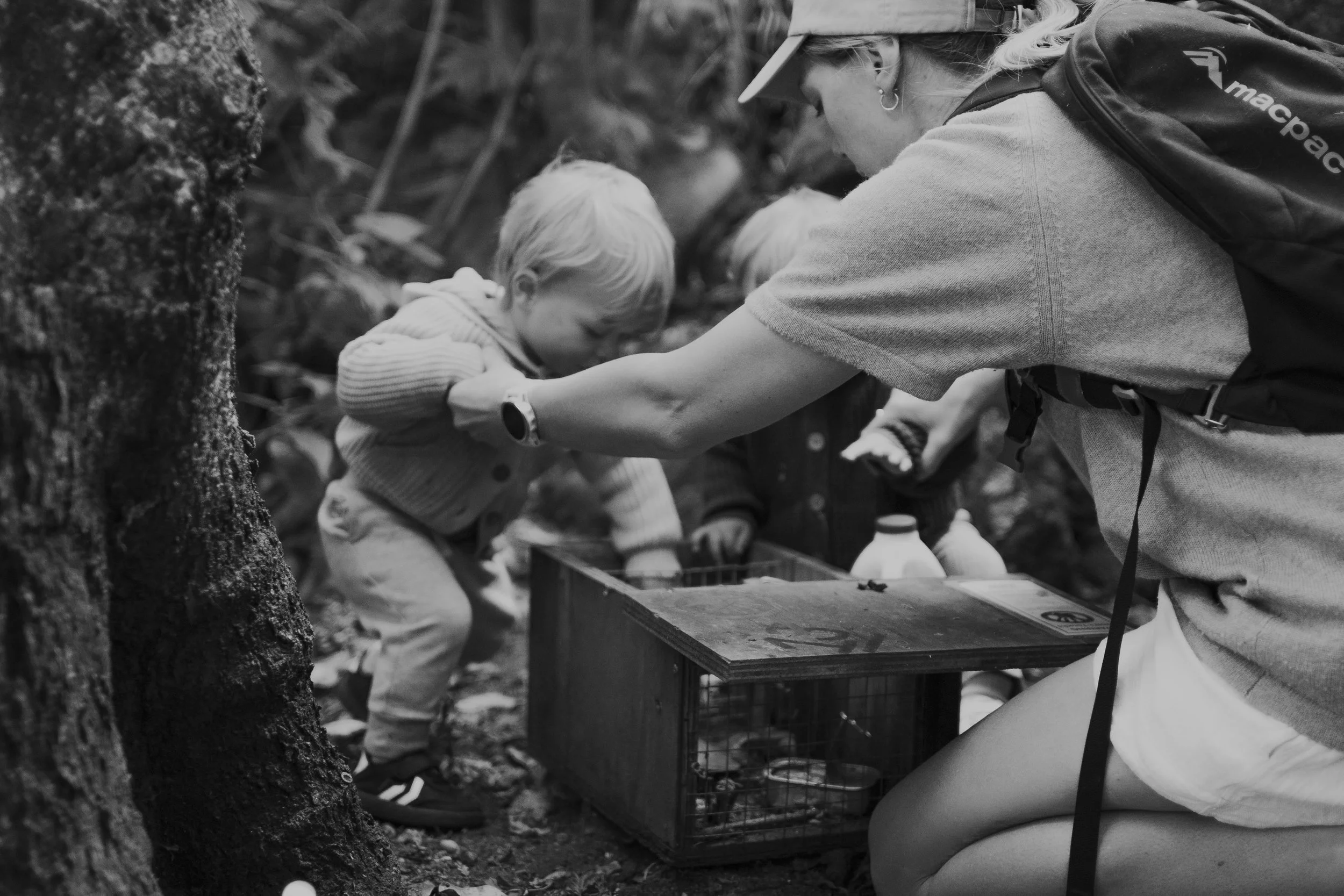
This project connects wetland restoration with environmental education by partnering with local schools to introduce students to predator control, biodiversity monitoring, and the importance of protecting native ecosystems.
Through hands on learning and fun conservation activities, students will become active participants in restoring and protecting their local environment.
-
New Zealand’s native species evolved for millions of years without land based mammalian predators. As a result, many of our birds, reptiles, and insects have limited defences against introduced species such as rats, stoats, and possums.
Wetlands are particularly valuable habitats, providing refuge for many native species, but they remain vulnerable to ongoing predator pressure. Effective pest control requires consistent effort over time, and maintaining trapping networks can be challenging for individual landowners and restoration groups.
At the same time, many young people have limited opportunities to connect with the natural environments around them and understand the role they can play in protecting biodiversity.
The challenge is building a future generation of environmental guardians who understand, value, and actively participate in caring for the taiao.
-
Predator control is one of the most important actions we can take to protect New Zealand’s unique biodiversity. Reducing predator pressure gives native species a greater chance to survive, breed, and recover.
Wetlands are some of our most valuable ecosystems, providing habitat, improving water quality, and strengthening resilience across the landscape. Protecting these areas needs ongoing care and community involvement.
By involving local schools, this project creates meaningful connections between young people and their environment. Students gain conservation skills, develop an understanding of local biodiversity, and see firsthand how their actions can create positive change in our catchment.
Environmental stewardship starts with connection. By bringing tamariki into restoration mahi today, we help grow the conservation leaders of tomorrow.
-
This project aims to establish and support predator control within local wetlands while creating opportunities for students to actively participate in biodiversity restoration.
Working alongside schools, wetland partners, and conservation groups, the project will provide students with practical learning experiences including:
understanding the role of wetlands and native species within the catchment
learning how predator control protects biodiversity
participating in trapping and monitoring activities
understanding data collection and conservation outcomes
contributing directly to restoration mahi within their local environment
The project will also support the establishment and maintenance of trapping networks.
By combining education with practical action, the project creates a pathway where students are actively helping restore it.
-
Success looks like a fencing solution that makes environmental improvements more achievable for farmers while delivering measurable benefits for freshwater and biodiversity.
It looks like clear evidence showing whether repurposed horticultural materials can provide affordable and scalable alternative to conventional fencing systems.
It also looks like a better understanding of farmer experiences and identifying what support, tools, and approaches can help increase adoption of stock exclusion practices across the catchment.
Ultimately, success is a practical, farmer-led model that can be shared beyond the Karamū catchment, helping other rural communities overcome similar barriers and accelerate freshwater and nature-based outcomes across the landscape.
By combining innovation, research, and collaboration, this project aims to demonstrate that environmental progress is possible when solutions are designed alongside the people delivering them.
-
This project has been enabled by the Environmental Enhancement Contestable Fund - thanks to Biodiversity Hawkes Bay, Hawkes Bay Regional Council and Eastern & Central Community Trust.