
Feral Deer and Our Native Forests
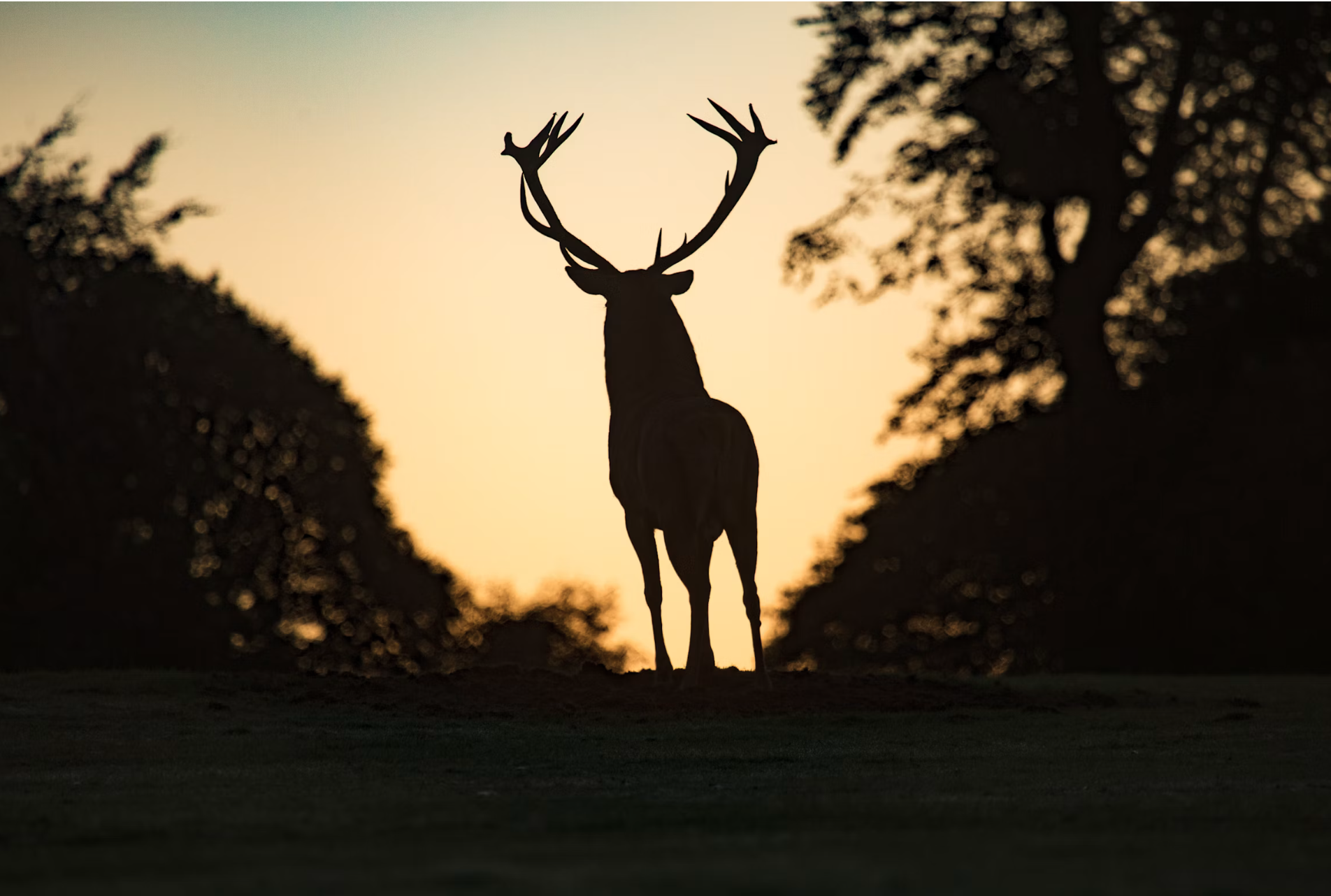
Healthy native forests are one of the most valuable carbon sinks in the Karamū catchment. They filter water, stabilise steep hillsides, store carbon, provide habitat for native wildlife and strengthen the resilience of our landscapes during storms and droughts. But growing populations of feral deer are putting pressure on these ecosystems.
Why are feral deer a problem?
Unlike many countries, New Zealand's forests evolved without browsing mammals such as deer. Native plants developed few natural defences against heavy grazing, making many species highly vulnerable once deer were introduced. As deer numbers increase, they browse seedlings, saplings, shrubs and forest floor vegetation faster than these plants can regenerate. Over time this changes the structure and composition of native forests, reducing plant diversity and preventing the next generation of canopy trees from establishing.
How deer affect our catchment
Native forests play an important role in protecting our waterways and communities. When deer remove understorey vegetation and prevent regeneration, forests become less able to perform these important functions.
High deer populations mean
Reduced natural regeneration of native forests.
Loss of habitat and food sources for native birds, insects and other wildlife.
Slower recovery of vegetation following storms, slips and other disturbances.
Reduced water retention in forested catchments.
Lower long term carbon storage and climate resilience.
These impacts are especially relevant in our Southern subcatchments with steep hill country.
Balancing ecological and social values
Deer are valued for recreational hunting and as a food resource. At the same time, unmanaged populations can have negative environmental consequences. There is a growing understanding that effective deer management needs to balance these social values with the protection of our native ecosystems. In environmentally sensitive areas, maintaining very low deer numbers may be necessary to allow forests to recover and continue providing the ecosystem services that communities depend on.