
Unlocking Natural Capital Revenue with CarbonCrop
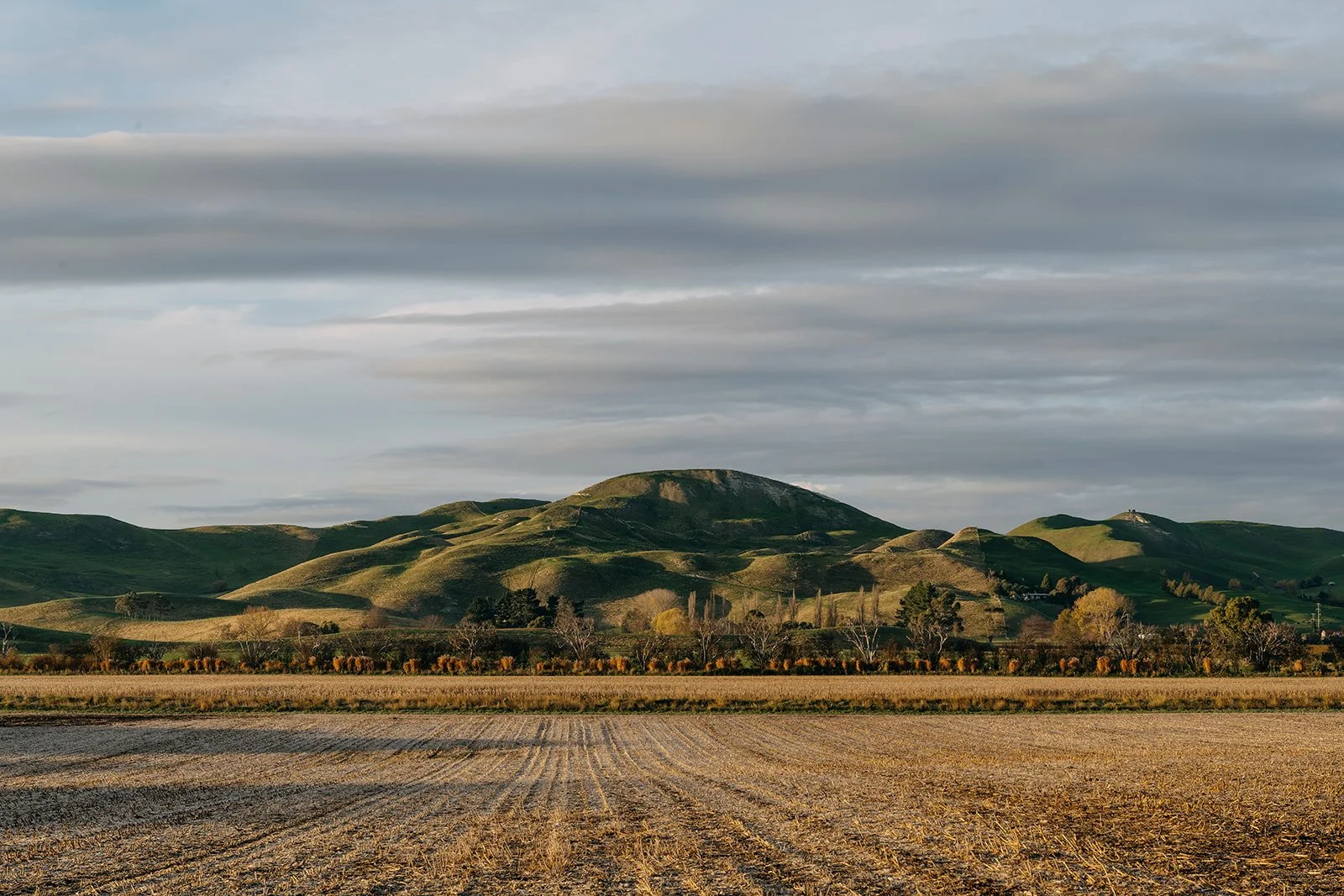
The East Coast’s highly erodible landscapes face ongoing pressure from climate risks, extreme weather events and declining landscape resilience. This project aims to unlock natural capital opportunities by identifying eligible ETS forestry and carbon revenue pathways within the Karamū River Catchment Collective using tools such as CarbonCrop and AI-enabled land mapping.
By quantifying existing carbon sequestering vegetation and identifying future forest opportunities, the project will help landowners understand the value of their natural assets. The premise is that landowners with enduring revenue streams from natural capital are better positioned to invest in biodiversity, conservation and long-term landscape resilience.
The project will also establish a framework for measuring and communicating catchment scale impact, creating evidence of outcomes and demonstrating how farmer led natural capital solutions can be scaled across other catchments and regions. This approach has the potential to support wider restoration ambitions by connecting landowners, investors and conservation initiatives around practical, measurable environmental outcomes.
