
Where Nature Can Call Home
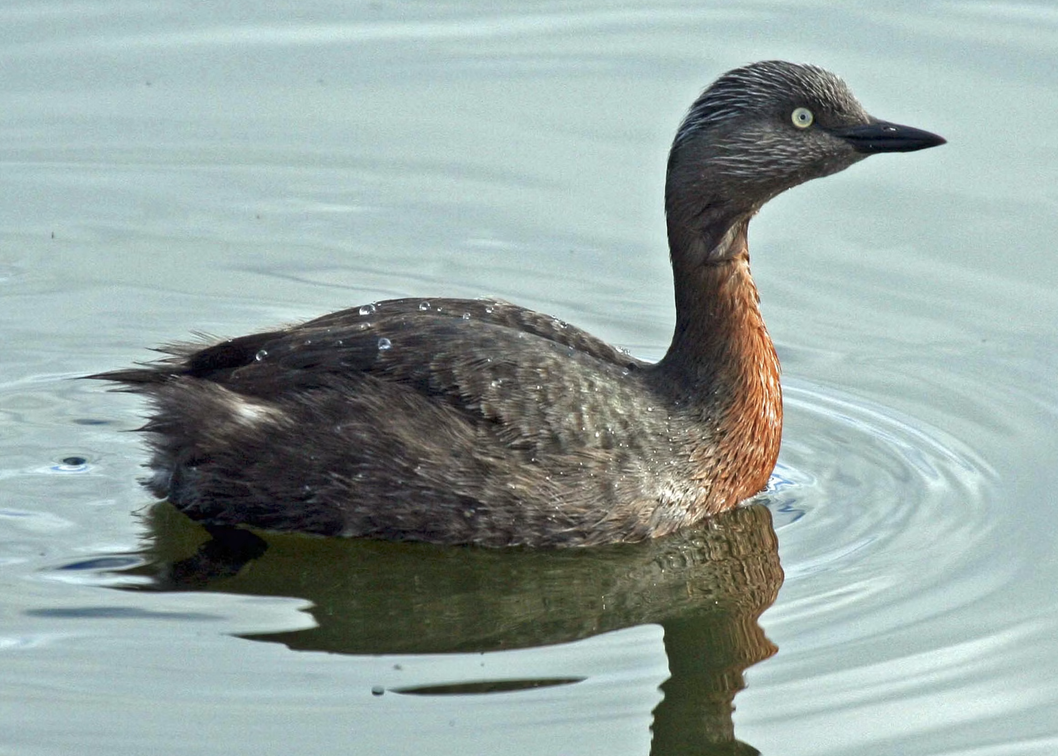
New Zealand dabchick | Weweia. Side view of adult. Otaki oxidation ponds, June 2009. Image © Duncan Watson by Duncan Watson.
Would you want to come home and sleep easy at night if you knew your children might be eaten?
It is an uncomfortable question, but for many of New Zealand's native species, it is not so far from reality.
Our native birds, reptiles and insects evolved for millions of years without land based mammalian predators. Many have limited defences against animals such as rats, stoats and possums. For wildlife trying to survive in an already fragmented landscape, finding somewhere to live is only part of the challenge. They need somewhere safe to come home to.
That is what makes wetland restoration about much more than just planting.
Healthy wetlands are living ecosystems. They provide habitat for native birds, insects and freshwater species, while supporting the wider health and resilience of our catchments.
But planting native vegetation does not, on its own, make a safe haven.
If rats, stoats and possums continue to prey on birds, eggs and insects, the species we are trying to protect remain under pressure.
Predator control is therefore part of our restoration mahi.
Across the Karamū catchment, work is underway to protect and enhance local wetlands while creating opportunities for people to become active participants in caring for them.
A key part of that work is establishing and maintaining trapping networks, reducing predator pressure and giving native species a greater chance to survive, breed and recover.
It is also about finding and suppporting the people who will care for these places into the future.
Through partnerships with local schools, students are being introduced to predator control, biodiversity monitoring and the importance of protecting native ecosystems. They can take part in trapping and monitoring, learn how conservation data is collected, and contribute directly to restoration mahi within their local environment. Opportunities like these change the relationship between people and place.
Maintaining trapping networks can be challenging for individual landowners and restoration groups, and protecting wetlands requires ongoing care and community involvement.
The challenge is not simply to restore habitat but to create places where native species can safely use that habitat. Places where they can feed. Places where they can breed. Places where their young can grow. Places where, perhaps, they can come home without the threat of a predator waiting in the dark.
Only four percent of Hawke's Bay's original wetlands remain. Protecting what is left, and restoring what we can, matters. But restoration is not finished when the planting is done.
The end goal is to create living ecosystems that can support native species into the future.
And that means making sure there is somewhere safe for nature to call home.
