
Young Trapper Helps Restore Biodiversity
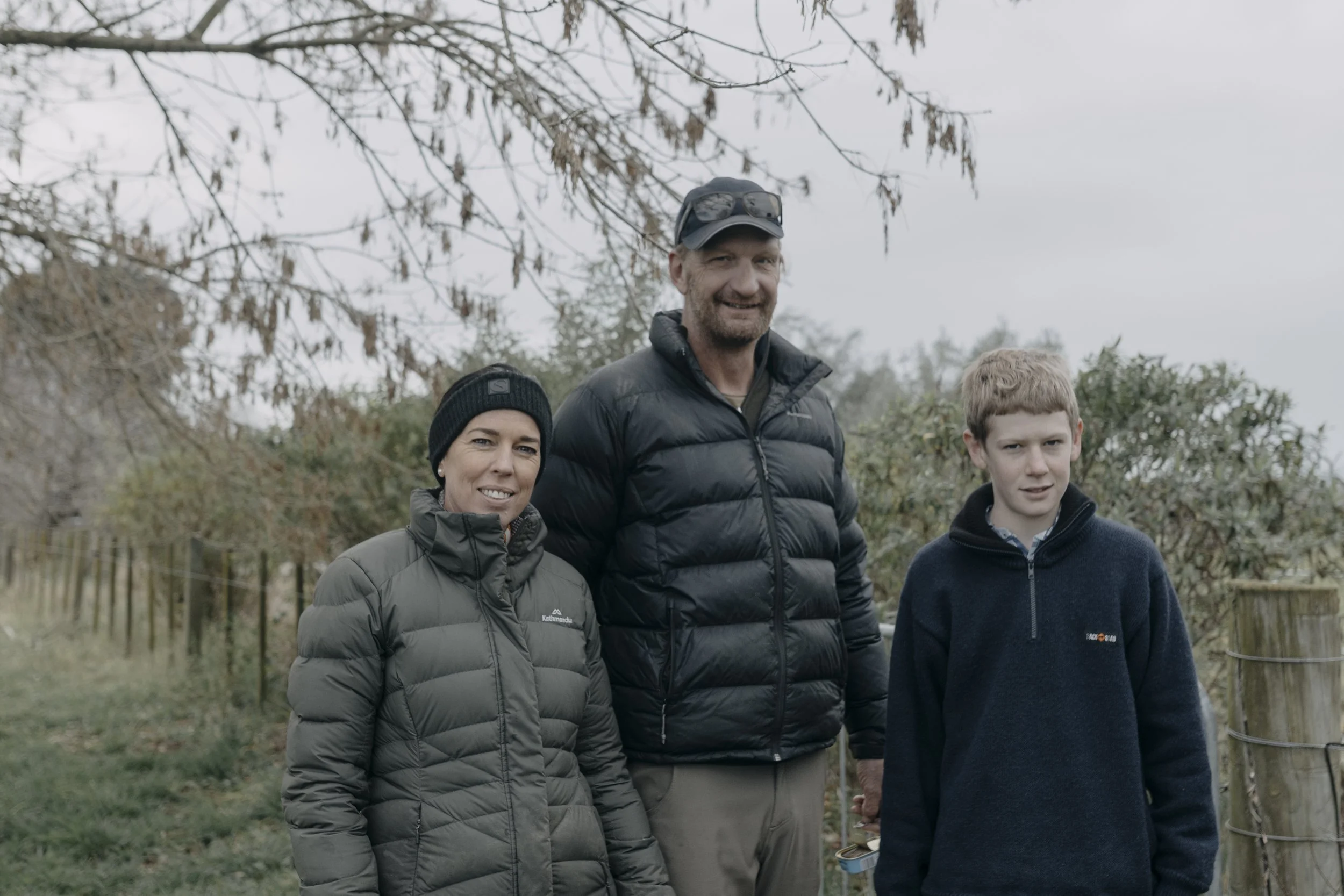
Photo credit: Alice Rule
Once filled with native birdsong, the Karamu catchment is getting a helping hand from a new generation. Among them is 14-year-old Theo Smith, the youngest active trapper in the Karamū River Catchment Collective (KRCC). As part of his Duke of Edinburgh Award, Theo is making a real difference, not just for the badge, but for predator control. He boards at Lindisfarne College during the week and returns home on weekends to continue his conservation work.
As part of his Duke of Edinburgh service project, Theo rallied three neighbouring landowners to allow him to install and service predator traps on their properties. He approached the local landowners with a proposal to install and monitor traps on their properties and received 100% acceptance. He designed a co funded program where he sources the traps and lure and the landowner paid for direct costs
Theo manages 11 traps, checking them twice a week. Biodiversity Hawke’s Bay donated Pic’s Peanut Butter for his trapping program which he said works well for rats, but is currently using sardine tins as they attract a wider range of predators, not just rats but also stoats, ferrets, hedgehogs, and even feral cats.
All trapping activity is recorded on Trap.NZ, a national monitoring platform that helps track conservation efforts across New Zealand. Theo maintains detailed records, providing landowners with a regular tally of catches and invoicing them for lure replenishment when needed. His methodical and transparent approach to data not only supports the wider predator control movement but also strengthens local trust and engagement.
“I chose trapping because I've got quite good at it over the years,” says Theo. “It’s good to know that every predator I catch gives native birds a better chance, we are seeing more ducks which is cool. And I’ve learned heaps, about where to put the traps, and about how to convince the neighbours to get onboard.”
The Karamū catchment is a space where young and old, experienced and new, rural and urban, come together with a shared goal: to enhance the river and its tributaries and restore the rich biodiversity of the ecosystem. The inclusion of youth in this work, especially through initiatives like the Duke of Edinburgh Award, adds energy and purpose to the wider catchment effort.
Seeing young people like Theo involved is a good reminder that caring for our catchment is for everyone. Their enthusiasm and dedication help ensure that the songs of tūī, korimako, and pīwakawaka will once again ring loud in our catchment. It’s this intergenerational, inclusive approach that gives us real hope for the future.
Kaitiakitanga, guardianship of the land, starts with small steps. For Theo those steps follow traplines. And for all of us, their footsteps remind us that the future of the Karamu catchment is in capable hands, young hands that will walk these riverbanks for generations to come.
