
Predator Control for Healthy Wetlands
Wetlands are some of New Zealand’s most productive and important ecosystems but they are also vulnerable to introduced predators. Effective predator control is essential to protect the native species that rely on these environments and to restore balance within wetland habitats.
Without active management, wetlands can quickly become ecological traps where native wildlife is concentrated but increasingly exposed to predation pressure.
Why Wetlands Are High-Risk Areas for Predation
Wetlands provide dense cover, abundant food sources, and limited human disturbance. These conditions make them ideal habitat not only for native species, but also for introduced predators such as rats, possums, stoats, weasels, feral cats, and hedgehogs.
Once established, predator populations can have negative impacts on wetland biodiversity by:
Preying on eggs, chicks, and adult birds
Reducing populations of ground-nesting species
Damaging native vegetation through browsing
Disrupting breeding cycles and long-term population recovery
Because many wetland species nest or feed close to the ground or water edge, they are particularly exposed.
Key Predator Species in Wetlands
Different predators impact wetlands in different ways:
Rodents (rats and mice): significant egg and invertebrate predators
Mustelids (stoats, weasels, ferrets): highly effective hunters of birds and chicks
Possums: browse wetland vegetation and compete for food resources
Feral cats: opportunistic predators of birds, lizards, and small mammals
Hedgehogs: often overlooked but significant egg and invertebrate predators
Effective wetland restoration requires a control approach that targets multiple predator types simultaneously.
Approaches to Wetland Predator Control
Successful predator control in wetland environments is usually based on a layered system, combining trapping, baiting (where appropriate), and habitat management.
Trap Networks: Trap lines are typically installed along wetland margins and access corridors where predators travel. Consistent spacing and regular servicing are critical to maintaining effectiveness over time.
Targeted trap types are selected based on predator pressure, site conditions, and non target risk.
Bait Systems: Where used, bait stations are deployed in carefully managed networks to reduce rodent and possum populations. Placement is critical to ensure safety for non-target species such as dogs, stock, and native wildlife.
Baiting is often most effective when integrated with trapping rather than used in isolation.
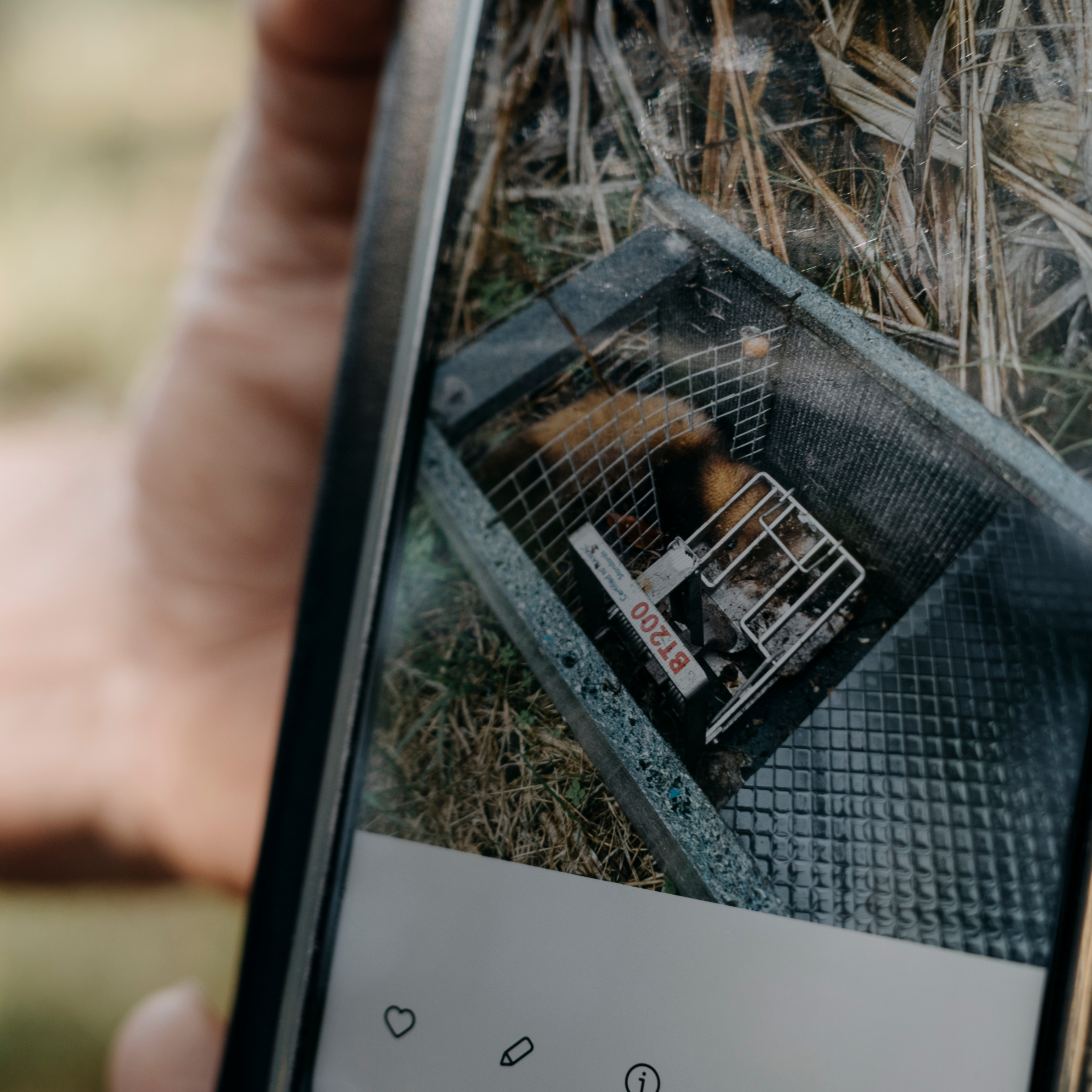
Mustalid Control: Stoats, weasels, and ferrets require specialised trap systems placed along fence lines, wetland margins, and riparian corridors. These species are highly mobile, so wider spacing networks are generally required. Small operational details can improve trap success in wetland environments; maintaining clear access around trap sites, reducing long grass at entrances, and ensuring regular servicing all help improve catch rates. Many trappers also use scent based lures around trap sites to increase detection and investigation rates. One example is Blaze, a simple flour based attractant applied around (not on) traps and along nearby tree trunks to encourage curiosity and movement towards trap locations.
Video retrieved from Department of Conservation:
Wise words from Sam The Trap Man