Rabbit Resources
Why are rabbits are problem?
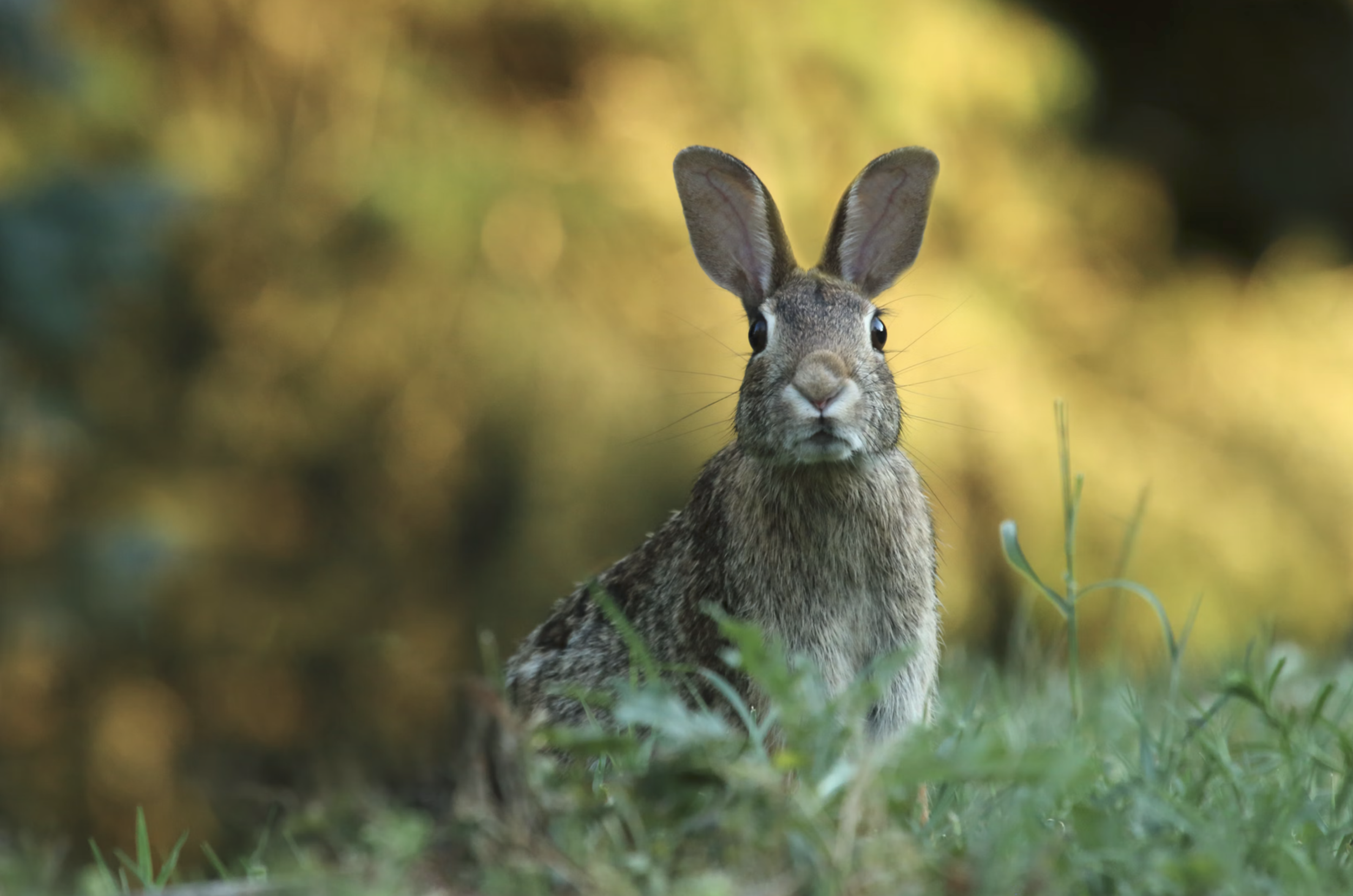
Rabbits have been part of New Zealand's landscape since they were introduced in the early 1800s for food and hunting. In the absence of natural predators, they've become one of our most widespread pest species and continue to place pressure on productive landscapes across our catchment.
They compete with livestock for valuable pasture, damage young orchard and vineyard plantings, browse native seedlings before they can establish, and contribute to soil disturbance and erosion. For anyone investing in biodiversity, wetland restoration or productive land, rabbits can quickly undo years of hard work.
What makes rabbits particularly challenging is their ability to reproduce. A female rabbit can be pregnant for much of the year and will adjust the size of her litters depending on food availability. Young rabbits can begin breeding from around five months of age, with a single doe capable of producing up to 50 offspring each year.
This rapid breeding cycle means rabbit populations can recover quickly following control efforts. That's why the most successful programmes focus not only on reducing numbers, but on working together across neighbouring properties to achieve lasting results.
Rabbit Life Cycle
Successful rabbit control starts with understanding how rabbits live and reproduce. Their remarkable breeding ability is the reason populations can recover so quickly, even after significant control efforts.
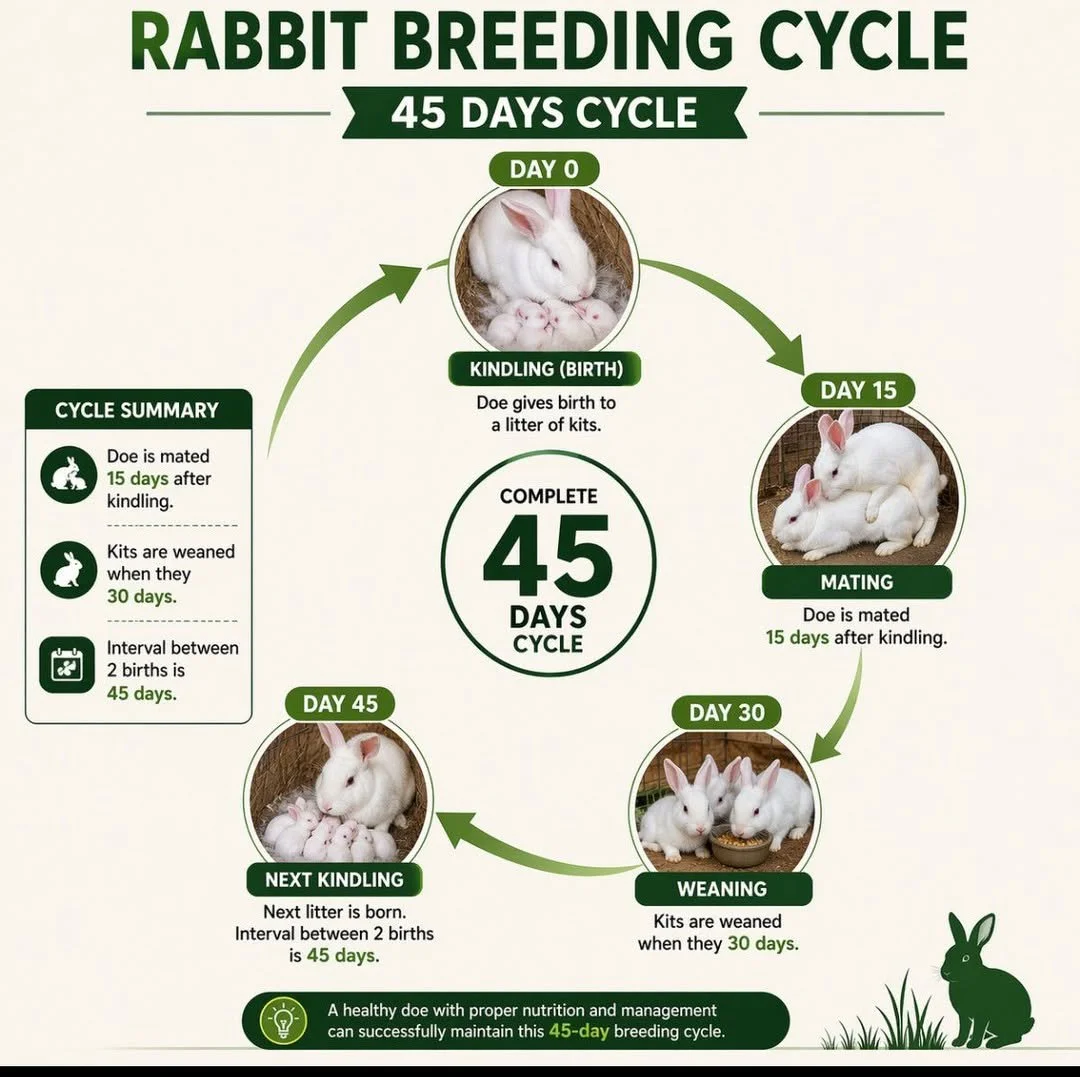
A female rabbit (doe) can produce 20 to 50 young each year, with litter sizes and breeding frequency increasing when food is plentiful. Under favourable conditions, rabbits are capable of breeding for much of the year, and young rabbits can reach reproductive maturity in as little as five months.
This rapid life cycle means that a small population can quickly become a large one if left unmanaged. It also explains why isolated control efforts often provide only temporary relief, with neighbouring populations quickly moving back into areas where numbers have been reduced.
Understanding the seasonal breeding cycle allows landowners to target control methods at the most effective times. Reducing breeding adults before spring, followed by coordinated monitoring and follow-up throughout the year, delivers far better long-term outcomes than reactive, one-off control.
The lifecycle diagram below illustrates how quickly rabbits progress from newborn kits to breeding adults, reinforcing why coordinated action across neighbouring properties is one of the most effective ways to reduce rabbit numbers over time.
Rabbit Control Methods
There is no single solution to rabbit control. The most successful programmes combine several methods, with the right approach depending on rabbit numbers, property type, terrain and the time of year. Coordinating control with neighbouring properties also improves long term success by reducing the chance of rabbits quickly moving back into treated areas. So… what are your options?
Shooting
Shooting is an effective way to reduce rabbit numbers, particularly where populations are low to moderate or as part of ongoing maintenance. Night shooting with spotlights is commonly used by professional shooters and experienced landowners. While shooting can reduce rabbit numbers, it is most effective when combined with other control methods that target rabbits sheltering in warrens.
Poisoning
Poison baiting remains one of the most cost effective methods for controlling large rabbit populations. It is generally most effective between autumn and early spring, when natural food sources are limited and before breeding reaches its peak. Because rabbit poisons can affect other animals, they must always be used responsibly and in accordance with product instructions and legal requirements.
Resources:
Fumigation
Fumigation targets rabbits sheltering underground and is often used as a follow up after shooting or poisoning. Treating active burrows helps remove young rabbits that may otherwise survive and rebuild the population. Like all control methods, fumigation should be undertaken safely and in accordance with product guidelines.
Resources:
Warren Destruction
Destroying rabbit warrens is one of the most effective ways to achieve lasting control. Ripping or collapsing warrens removes breeding habitat and prevents rabbits from quickly reestablishing after shooting or poisoning. This approach is valuable where large, established warrens are present.
Warren Destruction
Destroying rabbit warrens is one of the most effective ways to achieve lasting control. Ripping or collapsing warrens removes breeding habitat and prevents rabbits from quickly reestablishing after shooting or poisoning. This approach is valuable where large, established warrens are present.
Rabbit Fencing
Rabbit proof fencing can protect high value areas such as orchards, vineyards, lifestyle gardens and restoration plantings where ongoing rabbit pressure is a concern. While fencing won't reduce rabbit numbers across the landscape, it can provide effective protection when combined with broader control efforts.
Related Resources
Hawkes Bay Regional Council Regional Pest Management Plan
Professional Shooters
If you need a professional to help you out, these are a couple trusted guys to call on
Evan Minton from The Anti Pest theantipest@outlook.com or call 0221509738
Brandon Elliot: rabbitreaper3@gmail.com 0210366597
Local keen shooters
If you want a local fella to shoot some rabbits give these guys a call
Joshua Parton at featherstonecallsnz@gmail.com 0278009005
Warren Vercoe at office@eastcoastcanvas.co.nz 021310277
Join our TrapNZ Project
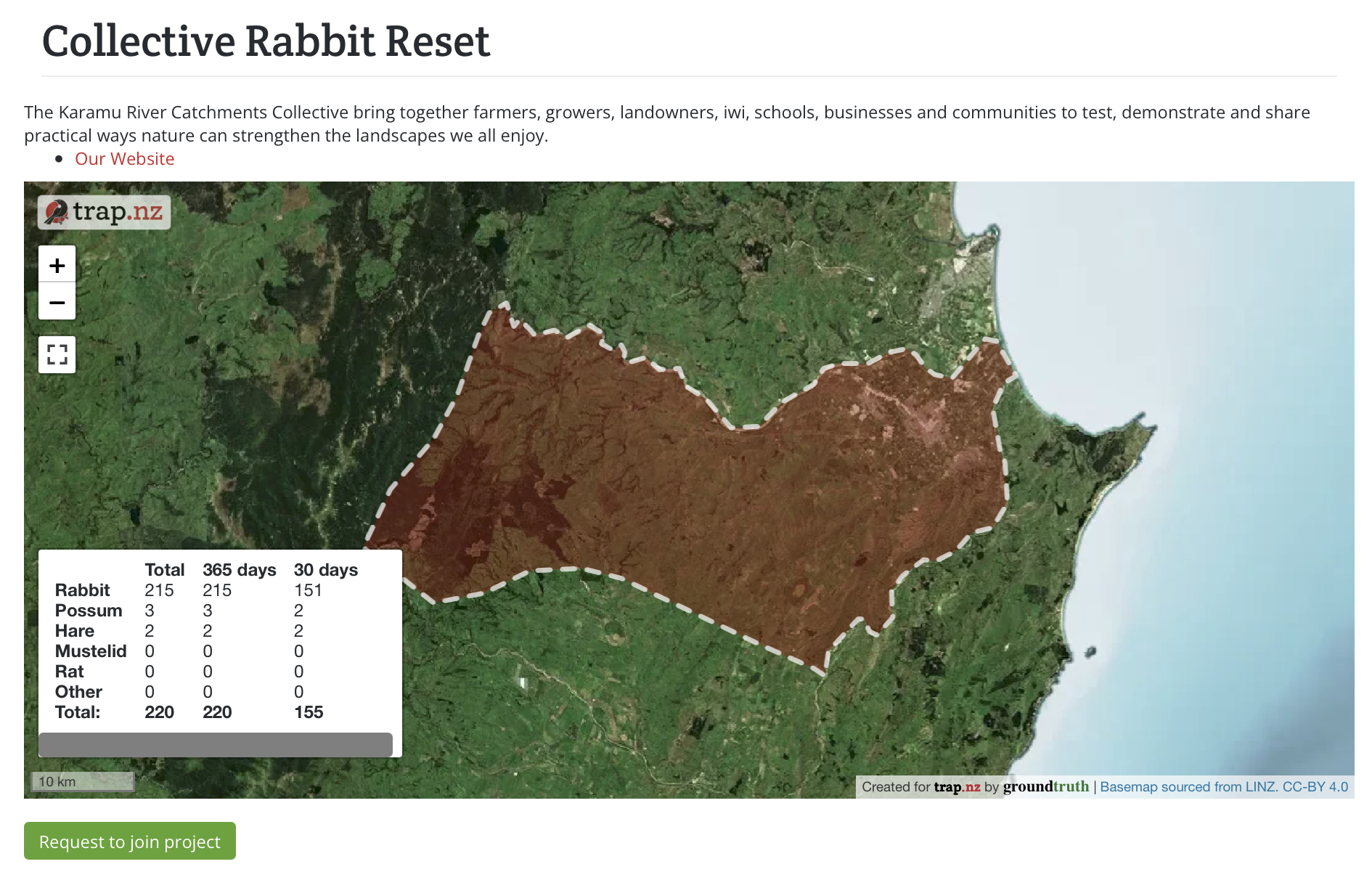
Two weeks into our TrapNZ project, 215 rabbits have been recorded (last updated 7th August 2026.
Would you like to join our Facebook group?