
Virtual Fencing: Gallagher eShepherd vs Halter. What are Farmers Options
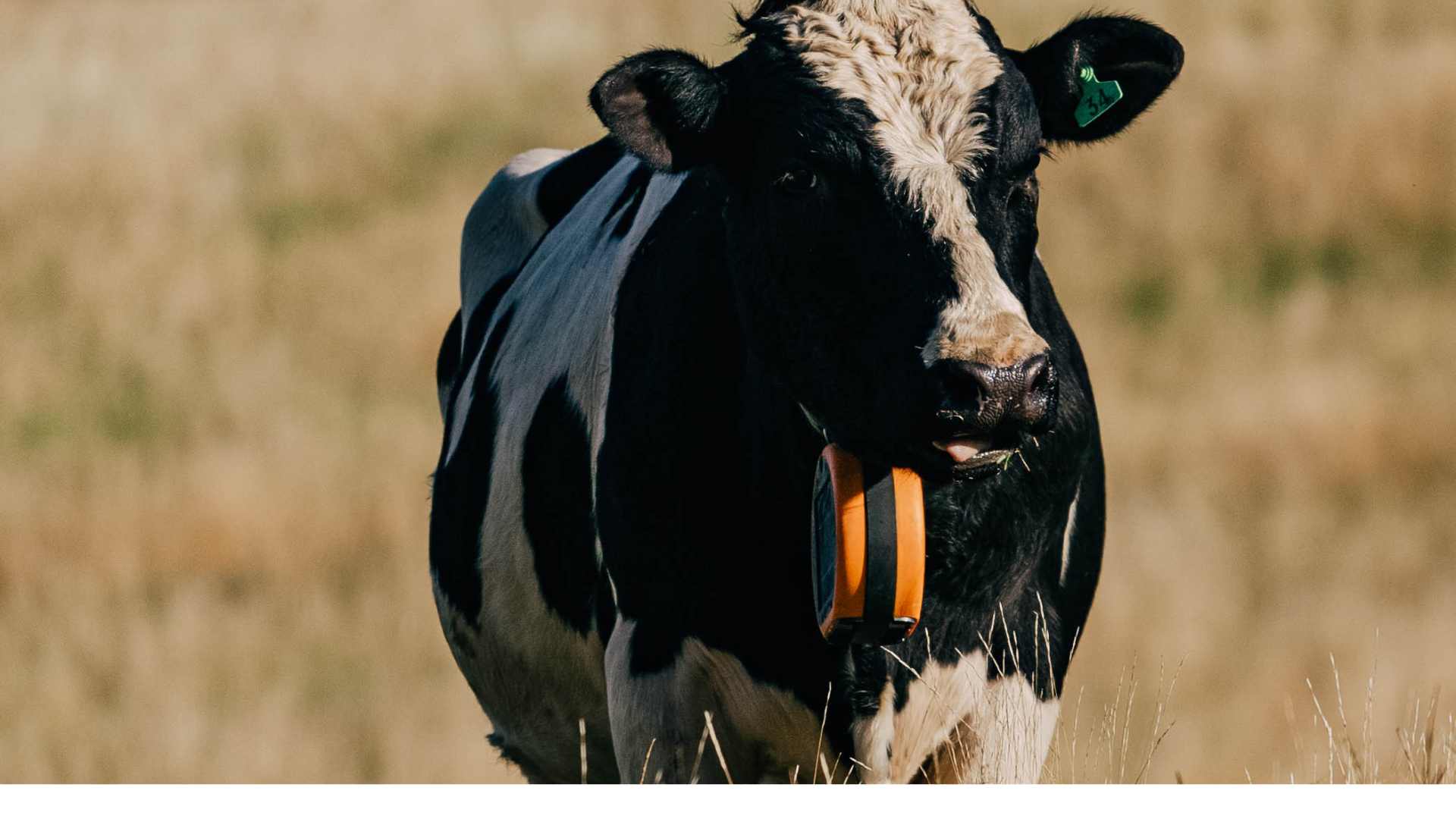
Virtual fencing is gathering attention across Aotearoa as farmers look for more flexible ways to manage livestock, improve pasture utilisation, and protect environmentally sensitive areas. At our recent Karamū River Catchment Collective event, farmers had the opportunity to hear directly from both Gallagher eShepherd and Halter, creating an informative conversation about the opportunities and challenges of virtual fencing technology.
While there is no one size fits all solution, both systems offer value. Understanding the strengths and limitations of each platform is an important first step when considering whether virtual fencing is right for your farming operation.
Why Farmers Are Interested in Virtual Fencing
Virtual fencing uses GPS enabled collars to create digital boundaries that guide livestock without the need for permanent fences. This allows farmers to manage grazing, move stock, and exclude animals from sensitive areas using a smartphone or computer.
For beef farmers and catchment groups, this technology is quite exciting. Virtual fencing can exclude stock from waterways, biodiversity remnants and critical source areas while reducing the costs and challenges associated with conventional fencing. At the same time, many farmers are exploring the productivity benefits, including improved pasture management, more flexible grazing strategies, and labour savings.
Gallagher eShepherd
Gallagher's eShepherd platform has been designed with extensive grazing systems in mind and is well suited to beef and hill country operations. Farmers own the hardware, which can reduce ongoing costs over the long term compared with subscription based models. The solar powered collars are designed for long operating life leveraging Gallagers longstanding reputation in this field, and the system integrates with Gallagher's wider livestock management technologies.
Farmers are attracted to eShepherd because it operates using cellular network connectivity, removing the need for on farm base stations. This can make the system ideal for rugged environments as well as farms where installing additional infrastructure may be impractical or cost prohibitive. The ability to leverage existing cellular coverage can simplify deployment and support scalability across larger or more challenging landscapes.
However, the system generally places less emphasis on advanced animal monitoring and herd management than Halter. The upfront investment can also be expensive, requiring farmers to carefully assess the return on investment for their particular operation. Best suited to:
Beef farms
Hill-country and extensive grazing systems
Farmers seeking lower long-term operating costs
Environmental protection projects across large landscapes
Halter
Halter has gained strong traction within Aotearoas dairy sector and continues to expand into beef farming systems.
In addition to virtual fencing, Halter provides extensive animal monitoring capabilities, including location tracking, behaviour insights, and fertility management tools. For many farmers, these extra features offer value beyond fencing alone by supporting day to day herd management and breeding decisions.
The platform allows farmers to shift stock, adjust grazing plans, and monitor animals remotely through a mobile application. Many users report labour savings and greater flexibility in managing livestock movements.
The consideration for farmers is the subscription-based pricing model. While this can lower upfront costs, ongoing fees may become an expensive factor over time. Some farmers may also find that the improved data and management features provide greater value in dairy and breeding systems than in extensive beef operations. Best suited to:
Dairy farms and beef breeding operations
Intensive grazing systems
Farmers seeking advanced herd management data
Operations where data efficiency is a key driver
Which System Is Right for Your Farm?
The answer depends on your farming system, objectives, and budget. For farmers focused on extensive grazing management, and minimising ongoing costs, eShepherd may be a good fit. For farmers seeking a broader livestock management platform with detailed animal insights and daily operational tools, Halter may provide additional value. Importantly, both technologies demonstrate how virtual fencing can improve economic and environmental outcomes.
The Future of Virtual Fencing
Another message from our event was that virtual fencing is no longer a proof of concept, it is already being used successfully on New Zealand farms to improve production and reduce costs. As the technology continues to evolve, farmers can expect further improvements in functionality, connectivity, and possibly affordability.
For catchment groups, landowners, and farmers exploring biodiversity protection or freshwater improvement projects, virtual fencing may provide an opportunity to achieve environmental outcomes in situations where traditional fencing is impractical or cost prohibitive.
The Karamū River Catchment Collective will continue exploring practical tools and innovations that help farmers make informed decisions. This event was just the beginning of that conversation.
Understanding Return on Investment for Virtual Fencing
There is no single return on investment figure for virtual fencing because the economics depend on farm system, terrain, stock intensity and how the technology is used. We look at ROI being best understood as a combination of avoided costs, operational savings, and productivity gains, rather than a simple payback number.
Avoided fencing capital and ongoing fence maintenance
Subdivision in remote areas
Cell grazing systems
High flood risk stream areas
Labour and operational efficiency
Reduced time putting up fences and shifting temporary fences
Less mustering hours for stock movements
Less time maintaining or repairing damaged fences
Pasture utilisation and productivity
Targeted and data driven grazing plans
Reducing overgrazing in sensitive or hard to manage areas
Faster recovery of pasture and vegetation
Rather than a fixed ROI percentage, farmers tend to evaluate virtual fencing through
Cost per hectare
Fencing infrastructure avoided or deferred
Labour hours saved per season or year
Productivity improvements from more flexible grazing
The payback periods vary widely depending on adoption scale and use case, but value is typically realised through a combination of capital avoidance and ongoing operational efficiency gains.