
Hautapu Wetland Restoration
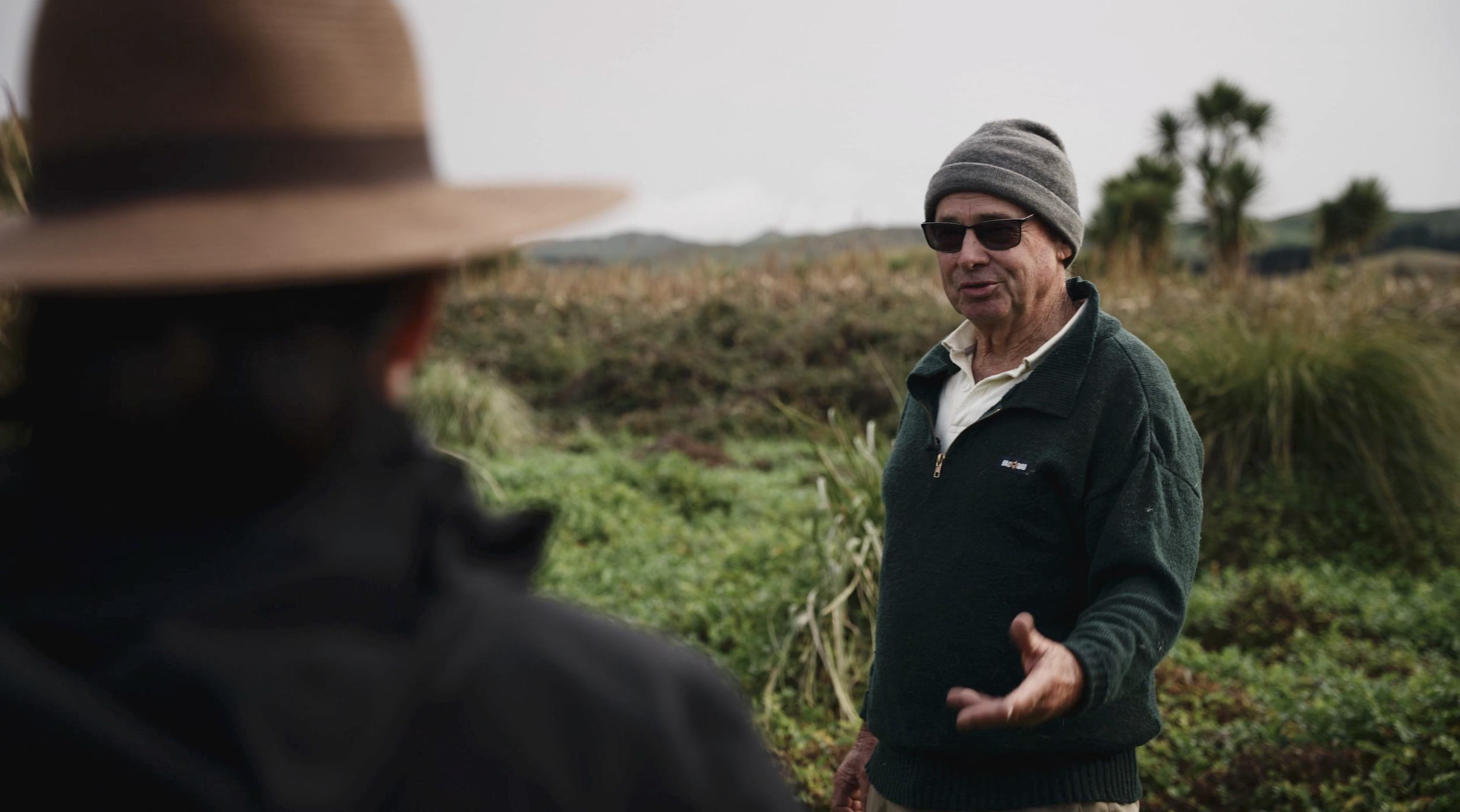
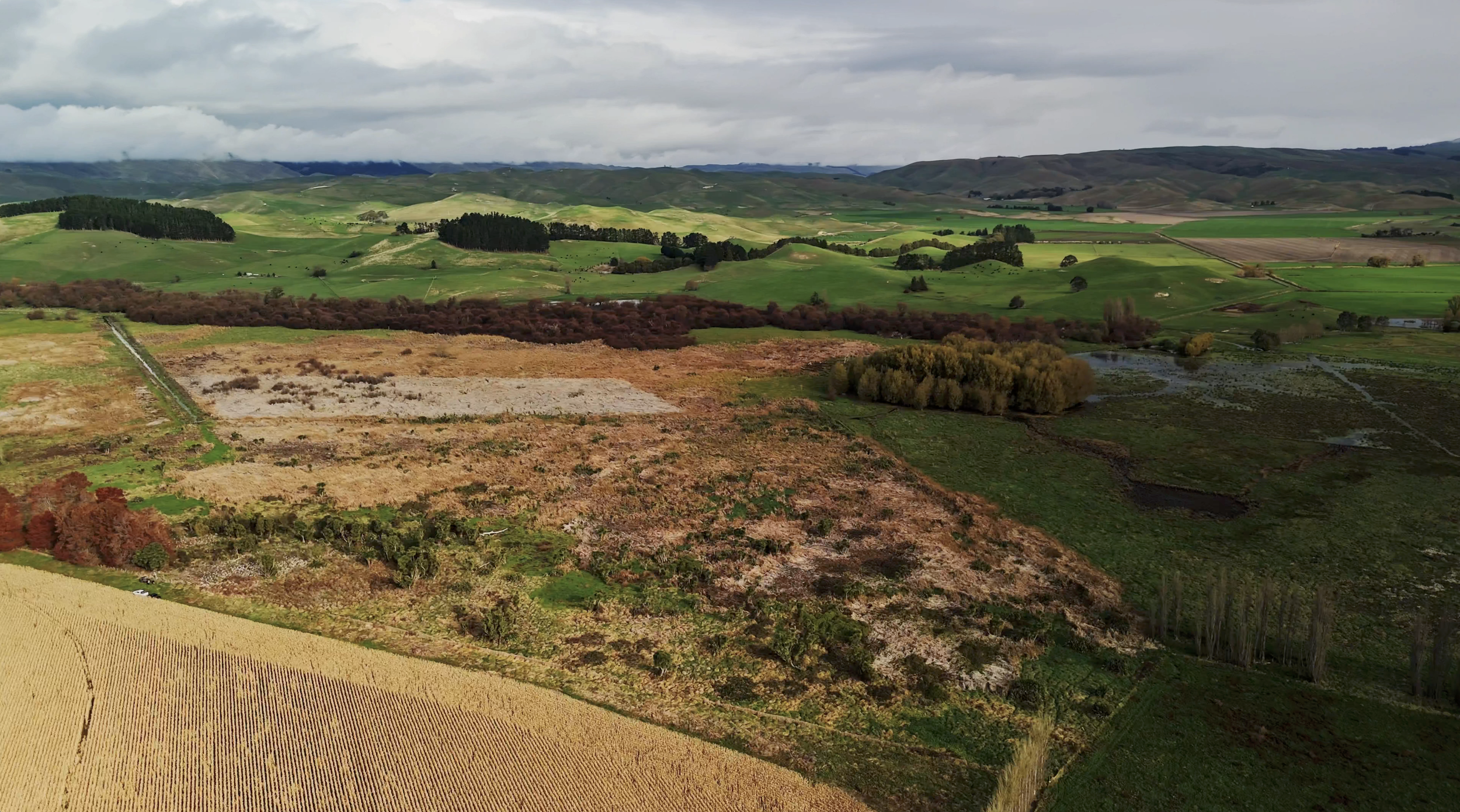
The Hautapu Wetland, also known as Lyons Wetland, is located near Pakipaki in Hawkes Bay. It is the region’s third largest wetland and has been identified by the Hawke's Bay Regional Council as a Priority Ecosystem due to its outstanding ecological and cultural value.
A 12-hectare portion of the site is protected under a QEII National Trust covenant through the QEII National Trust, reinforcing its long-term protection. Privately owned and stewarded by landowner John Lyons, the wetland sits within a wider landscape of high environmental importance and strong catchment connections.
Restoration efforts to date have been supported through collaboration with the Department of Conservation, Landcare Trust, the Karamū River Catchment Collective, the Hastings Karamū Rotary Club, and regional partners working to improve ecological outcomes across the catchment.
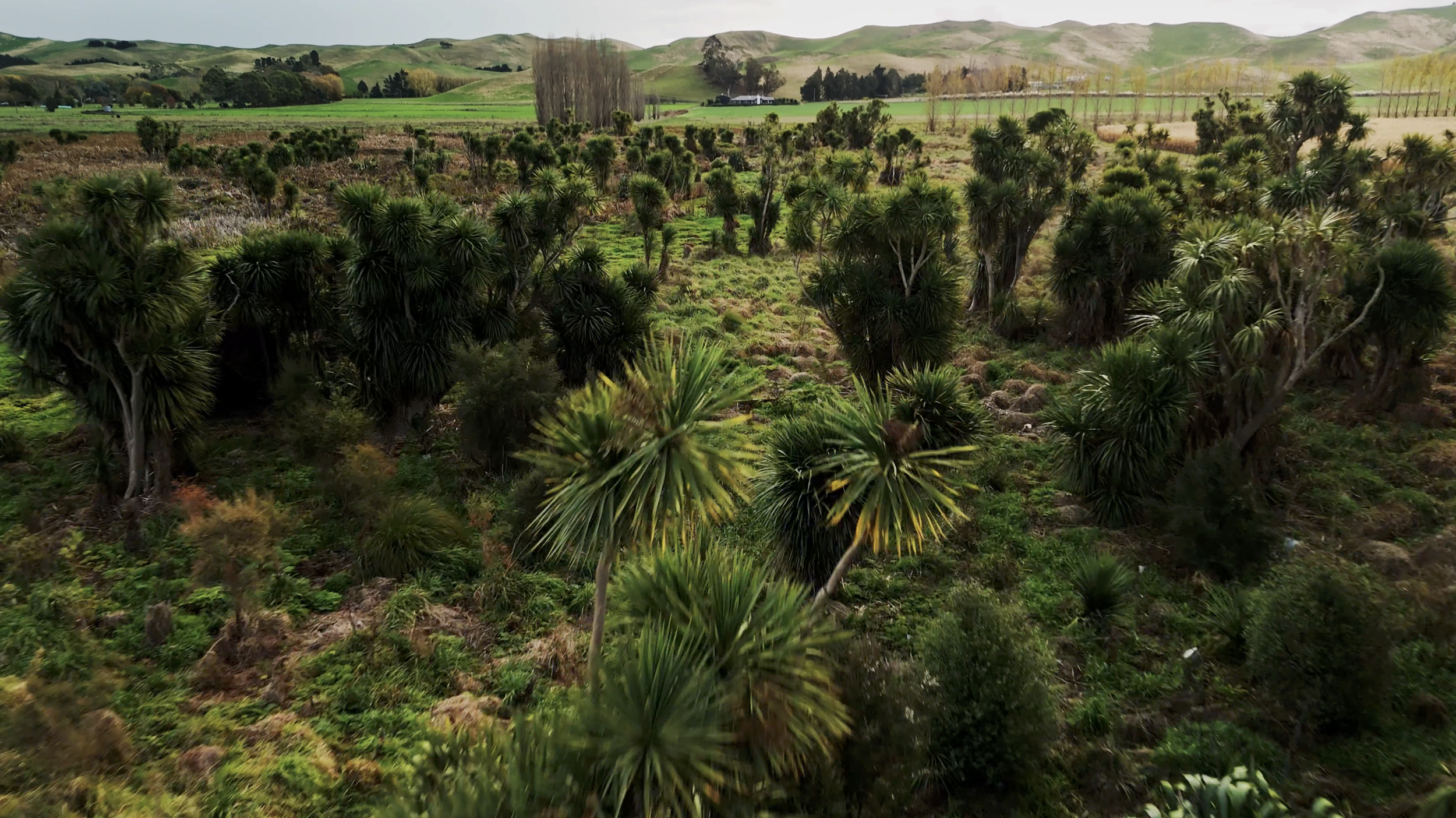
A Valuable Wetland in a Changed Landscape
Situated within Awanui subcatchment of the Karamū river catchment collective, Hautapu Wetland plays a role in improving water quality, biodiversity, and ecosystem resilience. As one of the few remaining large wetland systems in Hawke’s Bay, it contributes significantly to downstream environmental health by:
Filtering sediment and nutrients from surrounding land use
Attenuating flood flows across the catchment
Supporting groundwater recharge processes
Providing habitat for native freshwater and threatened wetland species
Historically, Hautapu is a remnant of a wetland ecosystem that formed part of the original Mangaroa Wetland system, an ancient inland peat swamp network that once extended across an estimated 113,362 hectares around 10% of Hawke’s Bay.
This broader wetland network once stretched across the Heretaunga Plains, from areas near what is now Pekapeka Wetland southwards toward Lake Poukawa. Hautapu Wetland, along with Pekapeka Regional Park and Poukawa is now one of the last remaining fragments of this ecosystem type in the district.
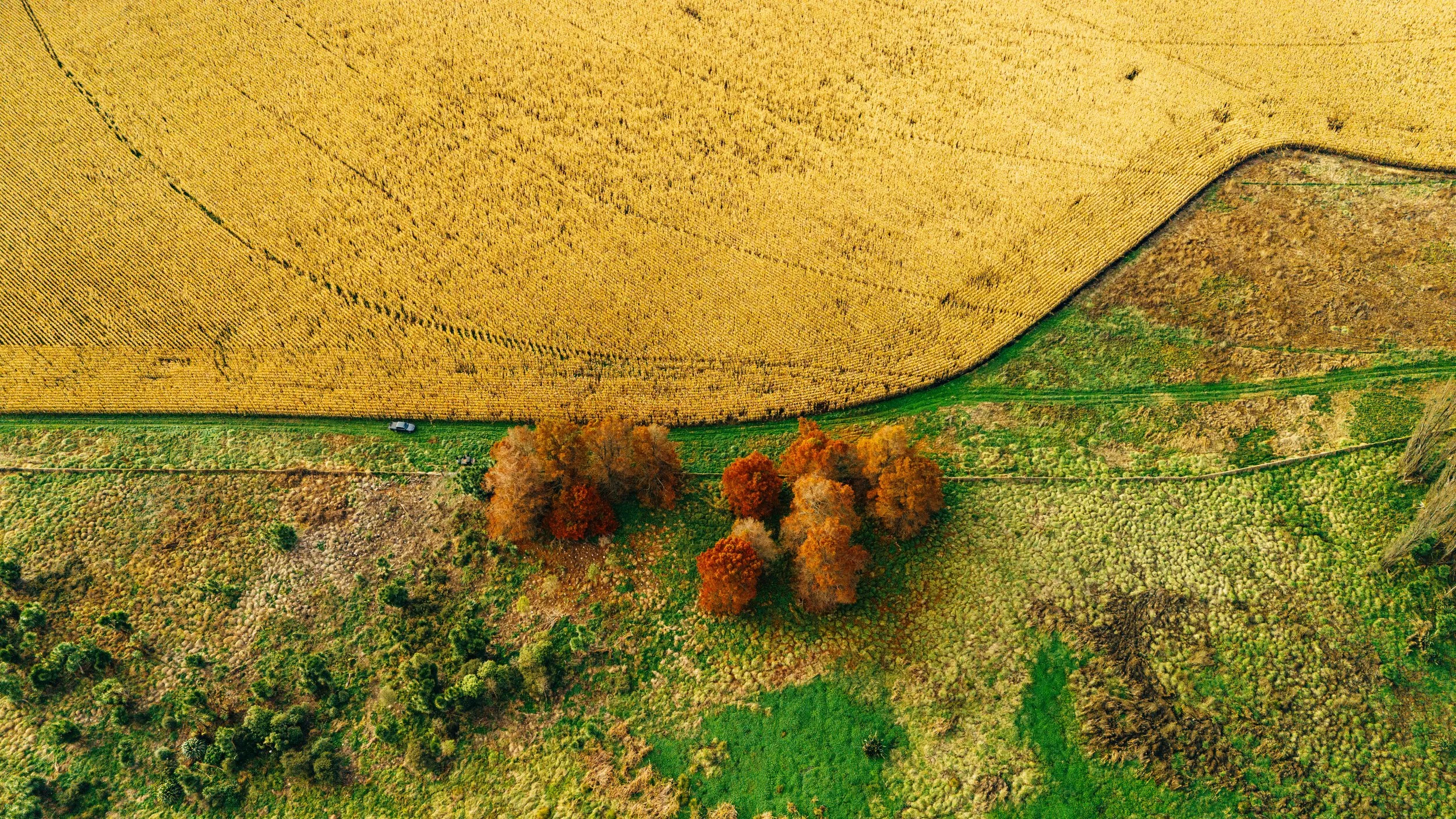
Cultural Significance and the Meaning of Hautapu
The name Hautapu carries cultural meaning, translating to “sacred offering” or “sacred wind.” It derives from the phrase whāngai i te hautapu, meaning “to feed the stars with a sacred offering.”
This refers to the traditional Matariki hautapu ceremony, in which food from the domains of Tupuānuku, Tupuārangi, Tangaroa, Waitī, and Waitā is offered in recognition of the interconnectedness between people, food systems, and the natural environment.
In this context, the restoration of Hautapu Wetland reflects a similar principle of reciprocity: actively restoring and nurturing the mauri of the wetland through ongoing environmental stewardship and care.
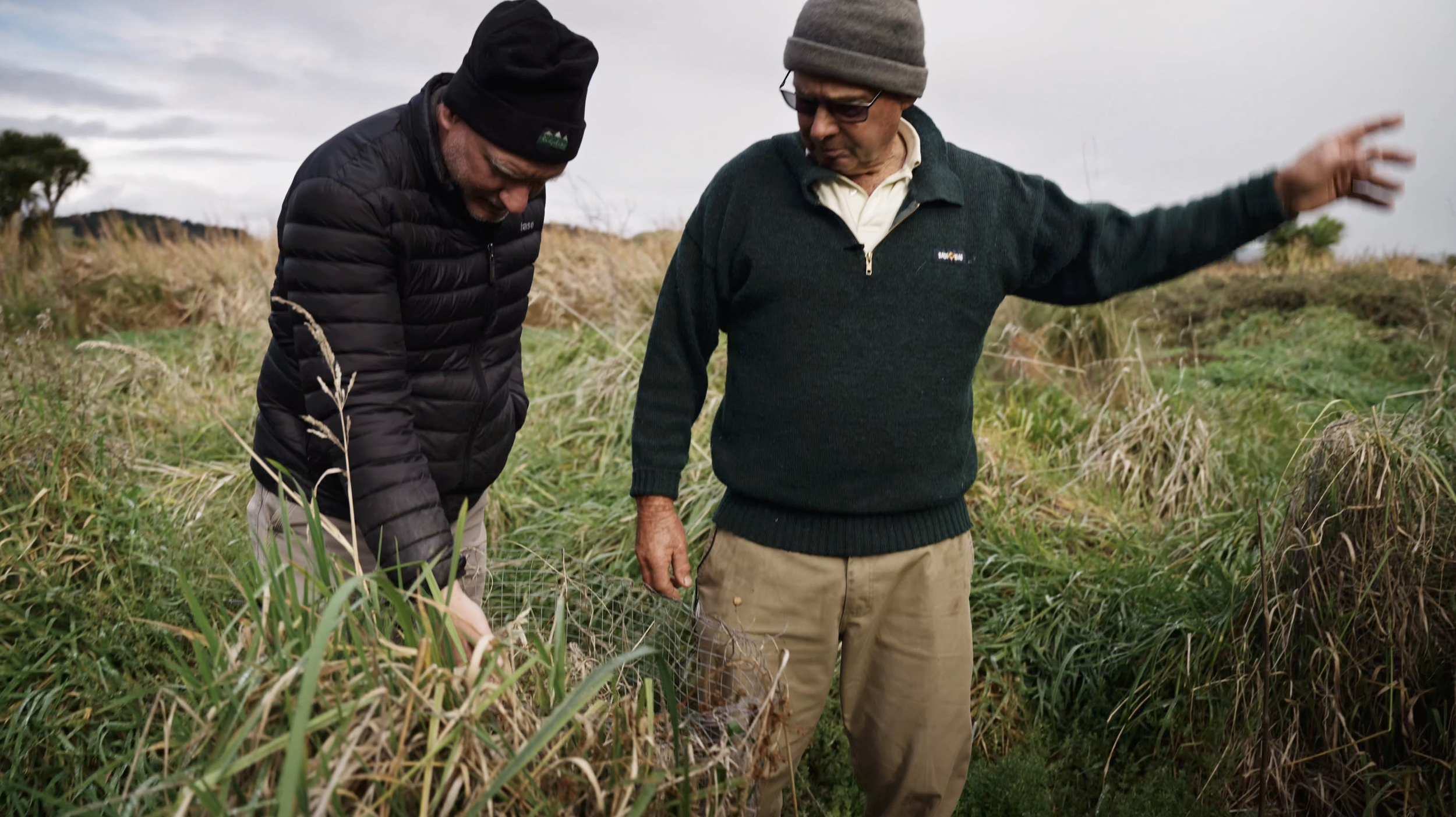
Biodiversity and Species of High Conservation Value
Ecologically, Hautapu Wetland provides increasingly rare habitat for indigenous wetland flora and fauna within a highly modified landscape.
Of particular significance is its potential to support matuku-hūrepo (Australasian bittern), a species classified as nationally critical. Department of Conservation surveys recorded a male Australasian bittern booming at the site in 2018, an important indicator of habitat suitability and ecological function.
Australasian bittern are wide ranging and mobile, using networks of wetlands across landscapes for feeding and refuge. Hautapu therefore forms part of a broader ecological corridor that includes other significant wetlands such as Pekapeka Wetland.
Any confirmed breeding activity at Hautapu would substantially elevate its national conservation importance.
Other notable species present or supported within the wetland system include:
Tuna (longfin and shortfin eel)
Native freshwater fish species
Swamp nettle (at risk, naturally uncommon)
Wetland bird species such as spotless crake (at risk, declining), an important indicator of wetland health
Restoration Challenges and the Need for Collective Action
Despite its ecological importance to Hawkes Bay, the scale of restoration required at Hautapu Wetland exceeds the capacity of any single landowner. Large areas of the site remain dominated by exotic grasses and invasive weed species, limiting habitat quality, ecological connectivity, and overall ecosystem function.
To secure longterm outcomes, coordinated investment and partnership are required across landowners, iwi, community groups, and agencies. Priority actions include:
Targeted weed control
Native revegetation of wetland margins
Predator and pest animal management
Enhancement of hydrological function and connectivity
These interventions will improve biodiversity outcomes, strengthen habitat for threatened species, and enhance the resilience of one of Hawke’s Bays most important remaining wetland systems.
With coordinated effort, the wetland can continue to develop as a high value biodiversity refuge, a functioning part of the Karamū catchment, and a nationally significant example of landscape scale wetland restoration in action.
